Neuroscience microscopy background
Loading
Initializing
CUSAT Logo
IBRO Logo
Centre for Neuroscience CUSAT
CENABH Centre of Excellence in
Neurodegeneration
And Brain Health
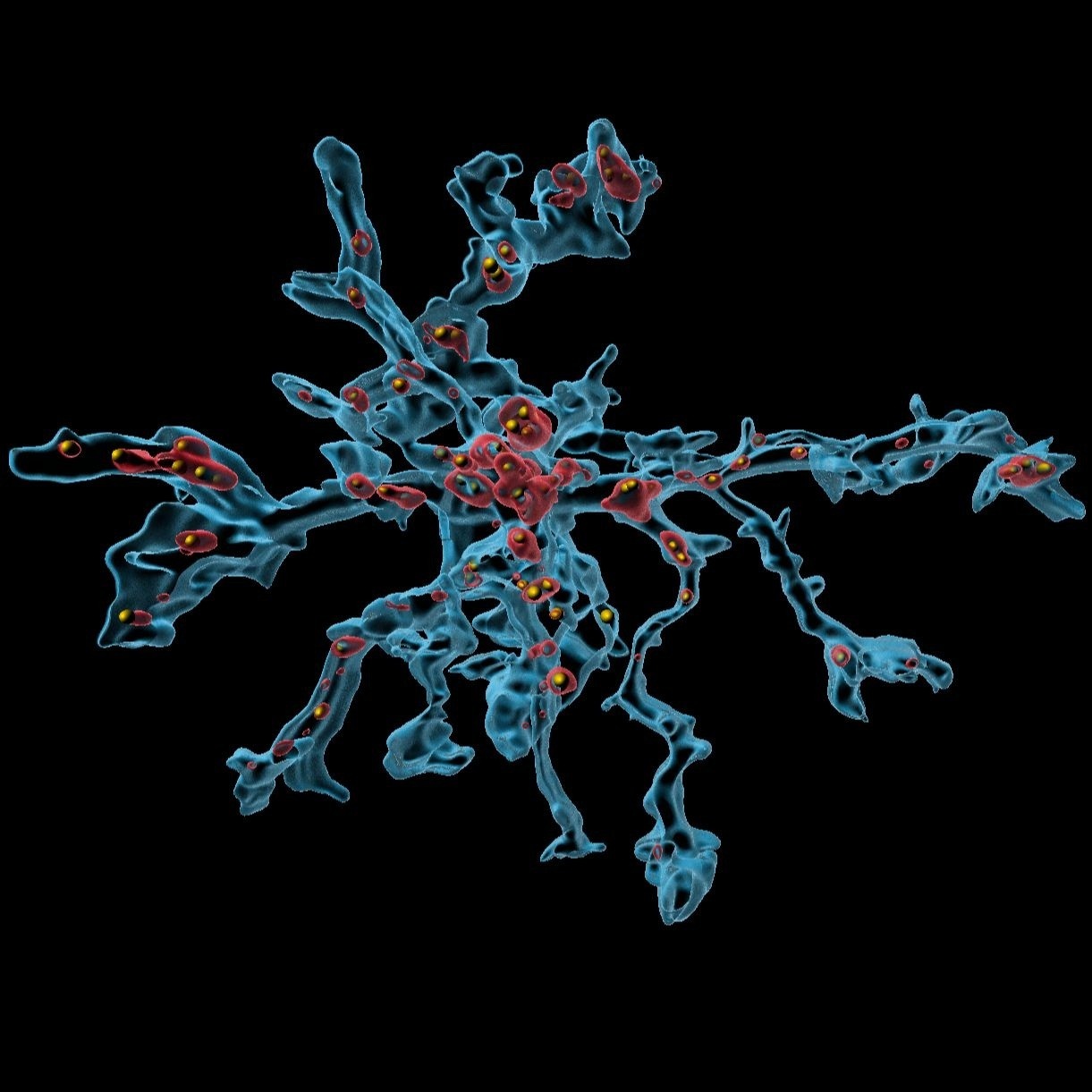
Neuroscience microscopy - Homer-1 in LAMP1
Applications Open

IBRO-APRC School on

BRAIN-IMMUNE
INTERACTIONS:

FROM MOLECULAR MECHANISMS TO BEHAVIOUR

ORGANIZED BY :

Centre for Neuroscience, Department of Biotechnology

Cochin University of Science and Technology,

Kerala, India

Register Now
Sep 17-24 2026

This immersive one-week school explores the dynamic interplay between the brain and immune system, from molecular mechanisms to behavioural outcomes. Designed for early-career researchers, it addresses how immune-brain interactions influence developmental, cognitive, emotional, and pathological processes, tackling global neurological challenges.

The program combines expert lectures, hands-on workshops, panel discussions, poster sessions, instrument demonstrations, career guidance, and interactive activities to foster skills, collaborations, and innovation in neuroimmunology.

17-24 September 2026
Kerala, India
FOR MORE INFORMATION.

About the School

The IBRO-APRC School on Brain-Immune Interactions: From Molecular Mechanisms to Behaviour, hosted by the Centre for Neuroscience (CNS) at Cochin University of Science and Technology (CUSAT), is a one-week program advancing neuroimmunology for early-career researchers.

It explores immune-brain interactions shaping developmental, cognitive, emotional, and pathological behaviours, addressing global neurological challenges. The curriculum leverages CNS's expertise in gut-brain interactions and neuroplasticity, bridging molecular mechanisms to translational research.

Program Components

Key Dates

Applications Open

2 February 2026

Application Deadline

17 April 2026

Event Dates

17–24 September 2026

Speakers

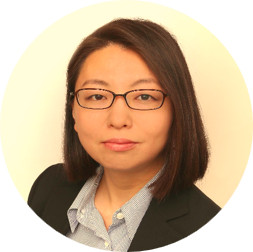
Dr. Chikako Nakajima

Dr. Chikako Nakajima

Nagoya University, Japan

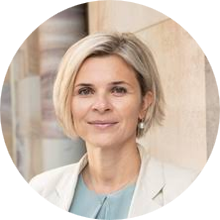
Dr. Jana Vukovic

Dr. Jana Vukovic

University of Queensland, Brisbane, Australia
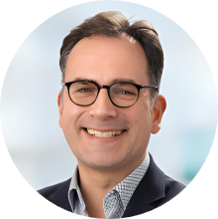
Dr. Jatin Nagpal

Dr. Jatin Nagpal

University College Cork, Ireland

Dr. Marco Prinz

Dr. Marco Prinz

University of Freiburg, Germany

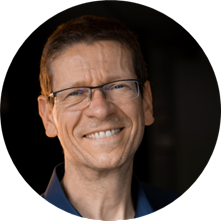
Dr. Martin Korte

Dr. Martin Korte

Technische Universität Braunschweig, Germany
Dr. N. Sumru Bayin

Dr. N. Sumru Bayin

Gurdon Institute, University of Cambridge, UK
Dr. Sarada Bulchand

Dr. Sarada Bulchand

Duke-NUS Medical School, Singapore

Dr. Sreedharan Sajikumar

Dr. Sreedharan Sajikumar

National University of Singapore, Singapore
Dr. Yvonne Nolan

Dr. Yvonne Nolan

University College Cork, Ireland

Dr. Aravind Kshatri

Dr. Aravind Kshatri

CSIR–Central Drug Research Institute (CDRI), Lucknow, India
Dr. Arpan Parichha

Dr. Arpan Parichha

CSIR–Institute of Genomics and Integrative Biology (IGIB), New Delhi, India

Dr. Baby Chakrapani P S

Dr. Baby Chakrapani P S

Cochin University of Science and Technology (CUSAT), Kochi, India
Dr. Chinmay K. Mukhopadhyay

Dr. Chinmay K. Mukhopadhyay

Jawaharlal Nehru University (JNU), New Delhi, India
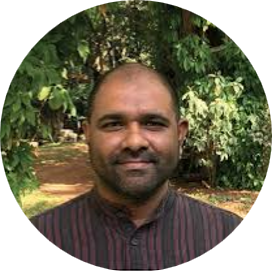
Dr. Deepak Nair

Dr. Deepak Nair

Indian Institute of Science (IISc), Bengaluru, India
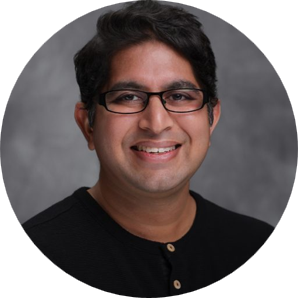
Dr. Dhananjay Huilgol

Dr. Dhananjay Huilgol

National Brain Research Centre (NBRC), Manesar, India
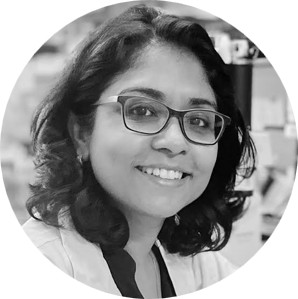
Dr. Hiyaa Ghosh

Dr. Hiyaa Ghosh

National Centre for Biological Sciences (NCBS-TIFR), Bengaluru, India
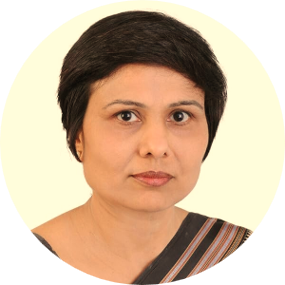
Dr. Kamalesh K. Guliya

Dr. Kamalesh K. Guliya

Sree Chitra Tirunal Institute for Medical Sciences and Technology (SCTIMST), Thiruvananthapuram, India
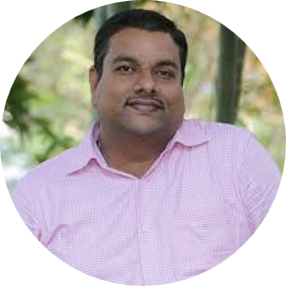
Dr. Kuppan Gokulakrishnan

Dr. Kuppan Gokulakrishnan

National Institute of Mental Health and Neuro Sciences (NIMHANS), Bengaluru, India
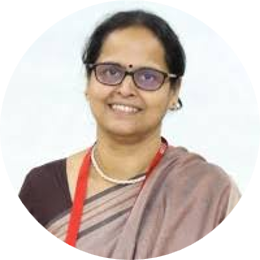
Dr. Laxmi T. Rao

Dr. Laxmi T. Rao

National Institute of Mental Health and Neuro Sciences (NIMHANS), Bengaluru, India
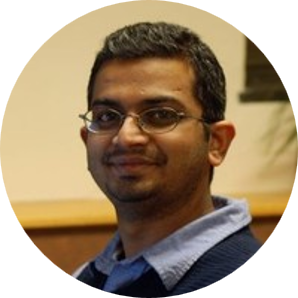
Dr. Naren Ramanan

Dr. Naren Ramanan

Indian Institute of Science (IISc), Bengaluru, India
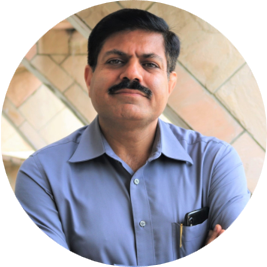
Dr. Pankaj Seth

Dr. Pankaj Seth

National Brain Research Centre (NBRC), Manesar, India
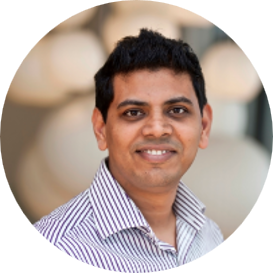
Dr. Prem Prakash Tripathi

Dr. Prem Prakash Tripathi

CSIR–Indian Institute of Chemical Biology (IICB), Kolkata, India
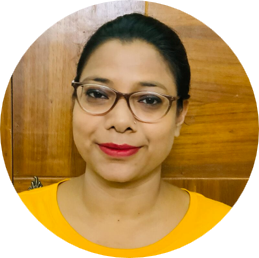
Dr. Rashmi Gupta

Dr. Rashmi Gupta

Indian Institute of Technology Bombay (IITB), Mumbai, India
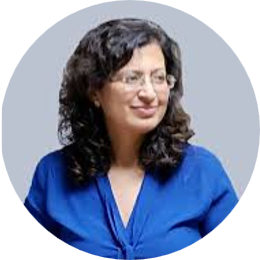
Dr. Sheffali Gulati

Dr. Sheffali Gulati

All India Institute of Medical Sciences (AIIMS), New Delhi, India
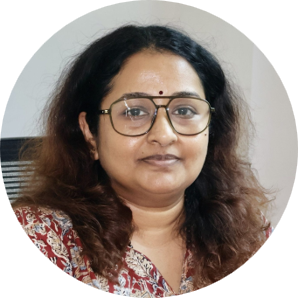
Dr. Smitha Karunakaran

Dr. Smitha Karunakaran

Indian Institute of Science (IISc), Bengaluru, India
Dr. Suhita Nadkarni

Dr. Suhita Nadkarni

Indian Institute of Science Education and Research (IISER), Pune, India

Dr. Uttara Chakraborty

Dr. Uttara Chakraborty

Manipal Institute of Regenerative Medicine, Manipal Academy of Higher Education, Bengaluru, India

Dr. Vinod Tiwari

Dr. Vinod Tiwari

Indian Institute of Technology (BHU), Varanasi, India

Detailed Programme

17–24 September 2026 · Centre for Neuroscience, CUSAT, Kochi

Day 1 17 September 2026

  1. 09:30–10:00

    Welcome Reception & Opening Ceremony

  2. 10:00–10:40

    Molecular Insights into Viral Neuropathogenesis Using Neural Stem Cells and Human Brain Organoids

    Dr. Pankaj Seth · NBRC, Gurugram, India

  3. 10:40–11:00

    Coffee break

  4. 11:00–11:40

    Hv1 Proton Channels in Microglia: Linking Ion Channel Function to Neuroinflammation

    Dr. Aravind Kshatri · CSIR–Central Drug Research Institute (CSIR–CDRI), Lucknow, India

  5. 11:40–12:20

    Motivational Salience Modulates Unconscious Neural Activity in Early Visual Cortex

    Dr. Rashmi Gupta · Cognitive and Behavioural Neuroscience Laboratory, Department of HSS, IIT Bombay

  6. 12:20–13:30

    Lunch break

  7. 13:30–15:30

    Career Session: Charting Your Career: An Individual Development Plan for Early Career Researchers

    Dr. Sarada Bulchand · Duke–NUS Centre for Career Readiness, NUS, Singapore

  8. 15:30–16:00

    Coffee break

  9. 16:00–16:40

    Role of Sleep in Regulation of Brain–Immune Interfaces for Health and Disease

    Dr. Kamalesh K. Guliya · SCTIMST, Thiruvananthapuram, India

  10. 16:40–17:40

    Social Hour — Informal Networking

  11. 19:00–20:00

    Dinner

Day 2 18 September 2026

  1. 09:30–10:10

    Effects of Maternal Viral Infection on Cortical Progenitor Development and Neuronal Diversity

    Dr. Dhananjay Huilgol · NBRC, Gurugram, India

  2. 10:10–10:50

    Neurodevelopmental Disruption and Neuroinflammation in Autism Spectrum Disorder: Pathophysiological Mechanisms and Emerging Insights

    Dr. Sheffali Gulati · AIIMS, New Delhi, India

  3. 10:50–11:30

    Mechanisms of Age-Dependent Regeneration in the Brain

    Dr. N. Sumru Bayin · Gurdon Institute, University of Cambridge, UK

  4. 11:30–11:50

    Coffee break

  5. 11:50–12:50

    Demo: Introduction to Flow Cytometry

    Bhavani Gokulkumar, Medical Affairs Manager · Waters Biosciences (formerly BD Biosciences)

  6. 12:50–14:00

    Lunch break

  7. 14:00–16:00

    Hands-on Workshop I: Flow Cytometry in Neuroimmunology

    Waters Biosciences (formerly BD Biosciences)

  8. 16:00–16:20

    Coffee break

  9. 16:20–18:20

    Hands-on Workshop I: Flow Cytometry in Neuroimmunology

    Waters Biosciences (formerly BD Biosciences)

  10. 19:00–20:00

    Dinner

Day 3 19 September 2026

  1. 09:30–10:10

    Inflammation, Neuroplasticity and the Gut-Brain Axis during Ageing and in Alzheimer's disease

    Dr. Yvonne Nolan · University College Cork, Ireland

  2. 10:10–10:50

    Role of Microglial IL-6 Trans-signalling Following Brain Injury

    Dr. Jana Vukovic · University of Queensland, Australia

  3. 10:50–11:30

    Leading Innovations in Flow Cytometry and Emerging Applications in Neuroimmune Research

    Dr. Uttara Chakraborty · Manipal Institute of Regenerative Medicine, Bangalore, India

  4. 11:30–11:50

    Coffee break

  5. 11:50–12:30

    Endogenous Progenitors: Friends or Foes? From Regenerative Neurogenesis to Hippocampal Niche Exhaustion after Status Epilepticus

    Dr. Prem Prakash Tripathi · CSIR–IICB, Kolkata, India

  6. 12:30–14:00

    Lunch / Free time

  7. 14:00–19:00

    Trip to Kochi

  8. 19:00–20:00

    Dinner

Day 4 20 September 2026

  1. 09:30–10:10

    Constitutive activation of β-catenin-Wnt signaling in the rhombic lip lineage disrupts the cerebellum development

    Dr. Arpan Parichha · CSIR–IGIB, Delhi, India

  2. 10:10–11:30

    Hands-on Workshop II: Confocal Microscopy & Image Analysis (Part 1)

    Dr. Arpan Parichha & Mr. Inderjeet Kumar · CSIR–IGIB, Delhi, India

  3. 11:30–11:50

    Coffee break

  4. 11:50–12:30

    Hands-on Workshop II: Confocal Microscopy & Image Analysis (Part 2)

  5. 12:30–14:00

    Lunch break

  6. 14:00–16:00

    Hands-on Workshop II: Confocal Microscopy & Image Analysis (Part 3)

  7. 16:00–16:20

    Coffee break

  8. 16:20–18:00

    Hands-on Workshop II: Confocal Microscopy & Image Analysis (Part 4)

  9. 19:00–20:00

    Dinner

Day 5 21 September 2026

  1. 09:30–10:10

    Neuronal migration for functional recovery in the injured brain

    Dr. Chikako Nakajima · Nagoya City University, Japan

  2. 10:10–10:50

    Glial Dynamics Shape Early Locus Coeruleus Vulnerability in Alzheimer's Pathogenesis

    Dr. Smitha Karunakaran · Centre for Brain Research, IISc, Bangalore, India

  3. 10:50–11:30

    Microbiome, Neurodevelopment and Model Organisms – Moving towards mechanisms

    Dr. Jatin Nagpal · University College Cork, Ireland

  4. 11:30–11:50

    Coffee break

  5. 11:50–12:30

    Schizophrenia through the Microbiome Lens: From Mechanistic Insights to Clinical Translation

    Dr. Kuppan Gokulakrishnan · NIMHANS, Bangalore, India

  6. 12:30–14:00

    Lunch break

  7. 14:00–16:00

    Parallel Workshops · CNS Lab

    Group A: Workshop III — Rodent Behavioural Phenotyping Demo

    Group B: Workshop IV — DG–SVZ Neural Stem Cell Niche Isolation

  8. 16:00–16:20

    Coffee break

  9. 16:20–18:00

    Parallel Workshops · CNS Lab

    Group A: Workshop III — Rodent Behavioural Phenotyping Demo

    Group B: Workshop IV — DG–SVZ Neural Stem Cell Niche Isolation

  10. 19:00–20:00

    Dinner

Day 6 22 September 2026

  1. 09:30–10:10

    A Dynamic Nanoscale Molecular Landscape of AMPARs Underlies Synaptic Plasticity

    Dr. Deepak Nair · Centre for Neuroscience, IISc, Bangalore, India

  2. 10:10–10:50

    Form follows function: How Synaptic Design Impacts Neural Function

    Dr. Suhita Nadkarni · IISER Pune, India

  3. 10:50–11:30

    Gut Dysbiosis Across the Lifespan: Microbial Metabolites, Neuroimmune Dysregulation, and Cognitive Decline from Rodent Models to Parkinson's Disease

    Dr. Baby Chakrapani P S · CUSAT, Kochi, India

  4. 11:30–11:50

    Coffee break

  5. 11:50–12:30

    Making, Keeping, and Losing Memory: How Metaplasticity Shapes Memory in Health and Disease

    Dr. Sreedharan Sajikumar · Dept. of Physiology, NUS, Singapore

  6. 12:30–14:00

    Lunch break

  7. 14:00–16:00

    Parallel Sessions · CNS Lab

    Group A: Workshop V — Stereotaxic Surgery

    Group B: DG–SVZ Primary Culture Viewing (Day 5 Isolation)

  8. 16:00–16:20

    Coffee break

  9. 16:20–18:00

    Parallel Sessions · CNS Lab

    Group A: DG–SVZ Primary Culture Viewing (Day 5 Isolation)

    Group B: Workshop V — Stereotaxic Surgery

  10. 19:00–20:00

    Dinner

Day 7 23 September 2026

  1. 10:00–10:40

    Keynote: Neuroinflammation and Neurodegeneration: The role of viral infections and dysbiosis

    Dr. Martin Korte · Technical University Braunschweig, Germany

  2. 10:40–11:20

    Animal model to study the higher cognitive functions such as curiosity and risky decision-making behaviour

    Dr. Laxmi T. Rao · NIMHANS, Bangalore, India

  3. 11:20–11:40

    Coffee break

  4. 11:40–12:20

    Targeting Focal Adhesion Kinase as a Novel Therapeutic Strategy for the Treatment of Frostbite Injury-Induced Chronic Pain

    Dr. Vinod Tiwari · Institute of Science, BHU, Varanasi, India

  5. 12:20–14:00

    Lunch break

  6. 14:00–16:00

    Demo: From Tag to Capture: Mapping Associative Plasticity in Rodent Brain Slices

    Dr. Sreedharan Sajikumar · NUS, Singapore · Electrophysiology Demo

  7. 16:00–16:20

    Coffee break

  8. 16:20–17:20

    Poster Session: Participant Research Presentations

  9. 19:00–21:00

    Faculty–Participant Networking Dinner

Day 8 24 September 2026

  1. 09:30–10:10

    Keynote: Understanding and Targeting Brain Myeloid Cells to Treat Diseases

    Dr. Marco Prinz · Institute of Neuropathology, University of Freiburg, Germany

  2. 10:10–10:50

    Microglia diversity: are there specialized subclasses of microglia?

    Dr. Hiyaa Ghosh · NCBS / TIFR, Bangalore, India

  3. 10:50–11:30

    Role of Iron in Microglial Inflammation

    Dr. Chinmay K. Mukhopadhyay · Jawaharlal Nehru University, New Delhi, India

  4. 11:30–11:50

    Coffee break

  5. 11:50–12:30

    Astrocyte Reactivity: Unlocking Therapeutic Potential for CNS Disorders

    Dr. Naren Ramanan · Centre for Neuroscience, IISc, Bangalore, India

  6. 12:30–14:00

    Lunch break

  7. 14:00–15:20

    Panel Discussion: Glia in Health and Disease — Translational Perspectives

  8. 15:20–15:40

    Coffee break

  9. 15:40–16:40

    Closing Ceremony: IBRO Recognition, Certificates & Participant Feedback

  10. 19:00

    Farewell Dinner

Registration

Register via the official IBRO website:

Register on IBRO Website
Organisers

Dr. Baby Chakrapani P S

Convener

Dr. Baby Chakrapani P S

Hon. Director, Centre for Neuroscience

Assistant Professor, Department of Biotechnology

Cochin University of Science and Technology
Dr. Tara Sudhadevi

Co-Convener

Dr. Tara Sudhadevi

DHR-NRI Faculty

Department of Biotechnology

Cochin University of Science and Technology

Venue

Centre for Neuroscience

Cochin University of Science and Technology (CUSAT)

Thrikkakara, South Kalamassery, Ernakulam,
Kerala 682022, India

Accommodation

Shared accommodation will be provided to the participants.

Organising Institution

Centre for Neuroscience (CNS)

Established in 2000 under the visionary leadership of the late Prof. C. S. Paulose, CNS has advanced neuroscience research since its inception. It promotes brain health through studies on neurodegenerative conditions, encouraging participation from non-academic communities as well. Key focus areas include developmental neuroscience, neuroregeneration, neurodegeneration, gut-brain interactions, neuromechanics, neural tissue engineering, and cancer neuroscience.

CNS conducts research from basic molecular mechanisms to translational applications, leveraging multidisciplinary expertise via national, international, and industrial collaborations. To disseminate knowledge, it has operated platforms like Prajñā-Udbodh to bridge science and society.

Building on this strong foundation, CNS evolved into the Centre of Excellence in Neurodegeneration and Brain Health (CENABH), conceptualised by the same experienced team.

Centre of Excellence in Neurodegeneration and Brain Health (CENABH)

The Centre of Excellence in Neurodegeneration and Brain Health (CENABH) is dedicated to advancing brain research and translating discoveries into real-world interventions that improve lives. By combining cutting-edge science with cultural wisdom and community engagement, we aim to prevent brain disorders, mitigate risks, and promote mental well-being. Together, we work toward a healthier society where neuroscience innovations directly benefit the communities we serve.

About the Area

Kochi, also known as Cochin, is a vibrant port city in Kerala, India, renowned for its rich history, diverse culture, and scenic backwaters. Explore landmarks like Fort Kochi with its colonial architecture, the historic Mattancherry Palace, and the serene Kerala backwaters. The area offers a blend of traditional Kerala cuisine, spice markets, and opportunities for cultural immersion, making it an ideal setting for reflection during your time at the school.

Contact

For more information, please contact us:

cns.ibro2025@gmail.com